


What is Hematology?
Hematology is the branch of medicine that studies blood cells, bone marrow, and the coagulation system. Hematology specialists diagnose, treat, and monitor blood diseases. Early diagnosis and treatment of many diseases such as leukemia, lymphoma, anemia, and clotting disorders are carried out in the hematology department.
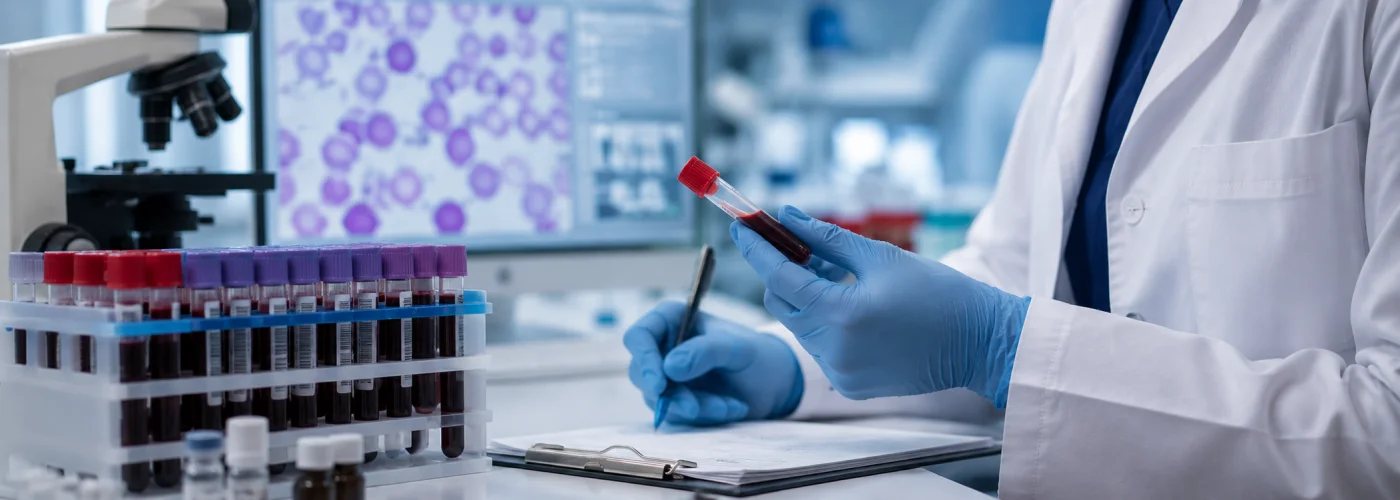
Which Diseases Does the Hematology Department Deal With?
The Hematology Department deals with the diagnosis and treatment of diseases related to blood, bone marrow, and the lymphatic system.
Main diseases include:
• Leukemia
• Lymphoma
• Multiple Myeloma
• Anemia
• Hemophilia
• Clotting disorders
• Myelodysplastic syndromes
• Myeloproliferative diseases
• Bone marrow diseases
• Genetic blood disorders
What Are the Symptoms of Hematological Diseases?
Hematological diseases may present with various symptoms. The most common symptoms include:
• Persistent fatigue and weakness
• Pale skin
• Shortness of breath
• Frequent infections
• Easy bruising and bleeding
• Enlarged lymph nodes
• Loss of appetite and weight loss
• Fever and night sweats
Diagnostic Methods in Hematological Diseases
Advanced laboratory and imaging methods are used in the diagnosis of hematological diseases.
Main diagnostic methods include:
• Blood tests and complete blood count (CBC)
• Bone marrow biopsy
• Lymph node biopsy
• Genetic and molecular tests
• PET-CT, MRI, and ultrasonography
Main diagnostic methods include:
• Blood tests and complete blood count (CBC)
• Bone marrow biopsy
• Lymph node biopsy
• Genetic and molecular tests
• PET-CT, MRI, and ultrasonography
Treatment Methods for Hematological Diseases
Treatment of hematological diseases is planned according to the type of disease and the patient’s overall health condition.
Main treatment methods include:
• Chemotherapy
• Immunotherapy
• Targeted therapies
• Blood transfusion
• Bone marrow (stem cell) transplantation
• Supportive treatments
Main treatment methods include:
• Chemotherapy
• Immunotherapy
• Targeted therapies
• Blood transfusion
• Bone marrow (stem cell) transplantation
• Supportive treatments
Frequently Asked Questions
What is Hematology?
Hematology is the branch of medicine that studies diseases related to blood, bone marrow, and the lymphatic system. Diagnosis and treatment of blood-related disorders are carried out in the hematology department.
Which Diseases Does Hematology Treat?
The hematology department deals with leukemia, lymphoma, anemia, bone marrow diseases, clotting disorders, and genetic blood diseases.
What Does a Hematologist Do?
A hematologist diagnoses, treats, and monitors blood diseases. They may request blood tests, biopsies, and advanced examinations when necessary.
What Are the Symptoms of Leukemia?
Symptoms of leukemia may include fatigue, frequent infections, pale skin, easy bruising, bleeding, and weight loss.
What Are the Symptoms of Lymphoma?
Lymphoma may present with swollen lymph nodes in the neck, armpits, or groin, along with night sweats, fever, and weight loss.
Is Bone Marrow Biopsy Painful?
Bone marrow biopsy is performed under local anesthesia. Mild pressure may be felt during the procedure, but it is generally completed quickly.
What Are the Side Effects of Chemotherapy?
Chemotherapy may cause nausea, fatigue, hair loss, and weakening of the immune system.
How Is Anemia Treated?
Anemia treatment may include iron, vitamin B12, or folic acid supplements, medications, and blood transfusions when necessary.
How Are Bleeding Disorders Recognized?
Easy bruising, prolonged bleeding, nosebleeds, and gum bleeding may indicate bleeding disorders.
How Can I Make an Appointment with the Hematology Department?
Appointments can be made through the hospital call center, online appointment systems, or physician referrals.
