What Is Hand, Foot and Mouth Disease? What Are Its Symptoms, Causes, and Treatment Methods?
Hand, foot and mouth disease is a contagious viral infection most commonly caused by viruses belonging to the enterovirus family. Although it is most frequently seen in infants and young children, it can also occur in adolescents and adults. The disease is characterized by painful sores in the mouth and rashes on the hands and feet.
Although most cases are mild, the disease may lead to high fever, difficulty eating due to mouth sores, and dehydration. Therefore, proper evaluation of symptoms and appropriate supportive treatment are important.
At Algomed Private Hospital's Department of Infectious Diseases and Internal Medicine, the diagnosis and treatment of hand, foot and mouth disease are carried out by specialist physicians. In this article, we discuss the topic "What Is Hand, Foot and Mouth Disease? What Are Its Symptoms, Causes, and Treatment Methods?".
Hand, Foot and Mouth Disease in Adana
Hand, foot and mouth disease is a contagious infection most commonly caused by viruses such as Coxsackievirus A16 and Enterovirus 71. The disease typically presents with fever, sore throat, painful mouth ulcers, and rashes on the hands and feet. Although it is more common during the summer and autumn months, it can occur throughout the year.
Symptoms of Hand, Foot and Mouth Disease
- High fever
- Sore throat
- Painful sores inside the mouth
- Red rashes on the hands and feet
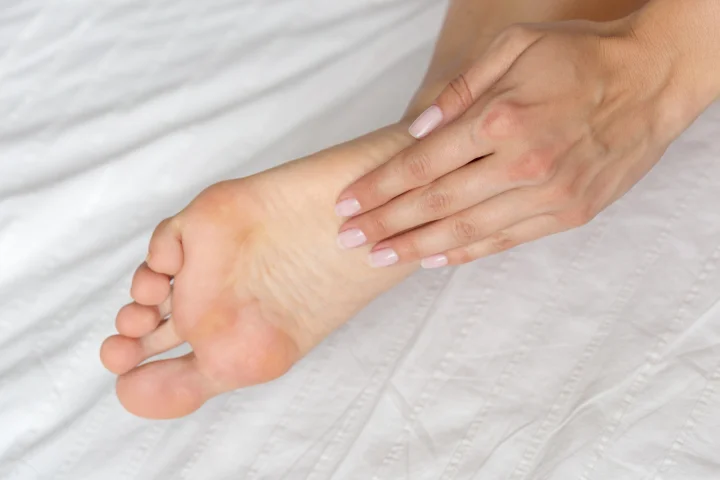
- Blisters on the palms and soles
- Loss of appetite
- Weakness and fatigue
- In some cases, rashes around the buttocks, knees, or elbows
What Causes Hand, Foot and Mouth Disease?
Hand, foot and mouth disease is caused by enteroviruses. It spreads through direct contact with the saliva, nasal secretions, stool, or respiratory droplets of infected individuals. Shared toys, doorknobs, and other contaminated surfaces may also contribute to transmission.
Risk Factors for Hand, Foot and Mouth Disease
- Close contact with infected individuals
- Attending daycare centers or schools
- Poor hand hygiene
- Weakened immune system
- Using shared items that are not properly sanitized
How Is Hand, Foot and Mouth Disease Diagnosed?
Diagnosis is usually based on the patient's symptoms and physical examination findings. The characteristic mouth sores and rashes on the hands and feet are key indicators. Laboratory tests may be performed when necessary to support the diagnosis.
Diagnostic Methods
- Detailed medical history
- Physical examination
- Evaluation of skin rashes
- Oral examination
- Laboratory tests when necessary
- Additional tests for differential diagnosis
Hand, Foot and Mouth Disease Treatment in Adana
There is no specific antiviral treatment that directly cures hand, foot and mouth disease. Treatment focuses on controlling fever, relieving pain, maintaining adequate fluid intake, and improving the patient's comfort. Most patients recover completely within 7 to 10 days.
Treatment Methods for Hand, Foot and Mouth Disease
- Fever-reducing and pain-relieving medications
- Drinking plenty of fluids
- Choosing soft, non-irritating foods
- Rest
- Maintaining good oral hygiene
- Supportive treatments under medical supervision
Ways to Prevent Hand, Foot and Mouth Disease
Following proper hygiene practices is essential to prevent the spread of the disease. Measures that reduce the risk of transmission should be implemented, especially in crowded environments.
Prevention Tips
- Wash hands frequently with soap and water.
- Avoid close contact with infected individuals.
- Clean and disinfect frequently touched objects and surfaces regularly.
- Cover the mouth and nose when coughing or sneezing.
- Follow good personal hygiene practices.
- Rest at home and avoid crowded places during the illness.
Frequently Asked Questions
Is hand, foot and mouth disease contagious?
Yes. The disease is highly contagious and can spread easily through close contact, respiratory droplets, and contaminated surfaces.
How long does hand, foot and mouth disease last?
Most cases resolve completely within 7 to 10 days without causing permanent complications. However, medical attention should be sought if symptoms become severe.
Can adults get hand, foot and mouth disease?
Yes. Although it is more common in children, adults without immunity can also develop the disease and transmit it to others.
When should you see a doctor?
You should seek medical attention immediately if high fever persists, mouth sores prevent adequate eating or drinking, signs of dehydration develop, or severe weakness or changes in consciousness occur.
Algomed Private Hospital Department of Infectious Diseases and Internal Medicine
At Algomed Private Hospital's Department of Infectious Diseases and Internal Medicine, the diagnosis and treatment of hand, foot and mouth disease are provided by experienced specialists using up-to-date medical approaches. Patients from Adana and surrounding provinces receive personalized evaluation and treatment plans.
For more information, please visit our Contact page.
Conclusion
Hand, foot and mouth disease is a highly contagious viral infection that is generally mild. Early diagnosis, appropriate supportive care, and good hygiene practices help both ease the recovery process and reduce the spread of the disease. If symptoms are severe or persist for an extended period, evaluation by a healthcare professional is recommended.