What Is a Heel Spur? What Causes It? Heel Spur Treatment
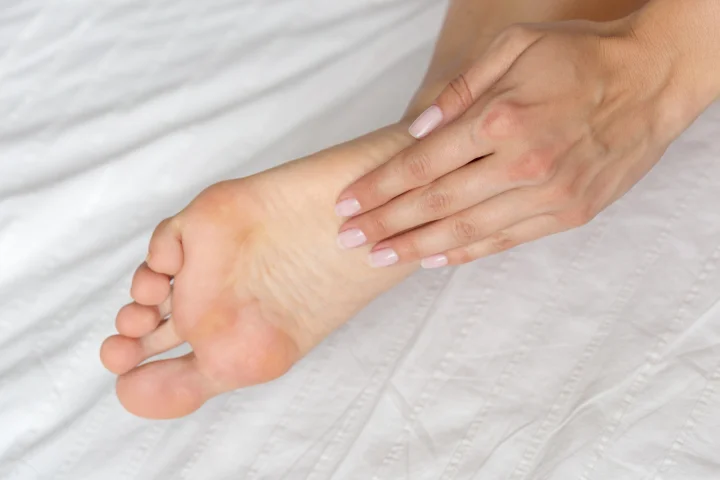
A heel spur is a common orthopedic condition caused by calcium deposits that form on the underside of the heel bone. It may lead to heel pain, especially during the first steps taken in the morning. The condition can develop due to prolonged strain on the plantar fascia and may negatively affect daily life.
With early diagnosis and personalized treatment planning, the goals are to reduce pain, improve mobility, and enhance overall quality of life.
At the Private Algomed Hospital Orthopedics and Traumatology Department, patients are evaluated and treated by experienced specialists using modern diagnostic and treatment methods. In this article, we discuss everything you need to know about "What Is a Heel Spur? What Causes It? Heel Spur Treatment".
What Is a Heel Spur?
A heel spur is a bony growth that develops on the underside of the heel bone. It is often associated with prolonged stress on the plantar fascia and may cause pain during the first steps after waking up or after long periods of rest.
Symptoms of a Heel Spur
- Heel pain during the first steps in the morning
- Pain after standing up following prolonged sitting
- Increasing heel pain after standing for long periods
- Tenderness under the heel
- A stabbing sensation while walking
What Causes a Heel Spur?
A heel spur may develop as a result of repeated strain on the plantar fascia. Certain lifestyle habits and medical conditions can increase the risk of developing a heel spur.
Risk Factors for Heel Spurs
- Excess body weight
- Standing for long periods
- Wearing improper footwear
- Flat feet or high arches
- Running and high-impact sports activities
- Advancing age
Heel Spur Treatment
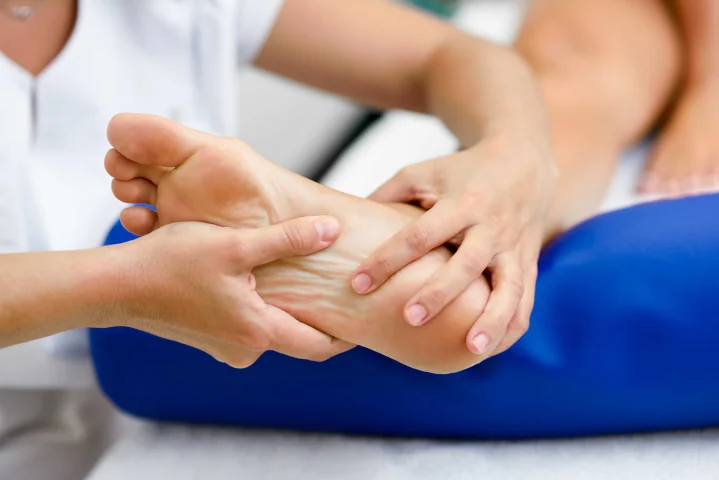
Treatment for a heel spur is planned according to the patient's symptoms, pain severity, and underlying causes. Non-surgical treatments are usually preferred initially, while additional treatment options may be considered when necessary.
Heel Spur Treatment Options
- Rest and activity modification
- Stretching and strengthening exercises
- Custom orthopedic insoles
- Physical therapy
- Medication (as recommended by a physician)
- ESWT (Extracorporeal Shock Wave Therapy)
- Surgical treatment when necessary
ESWT (Shock Wave Therapy)
Extracorporeal Shock Wave Therapy (ESWT) is a non-surgical treatment option commonly used for heel spurs. Shock waves are applied to help reduce pain and support the body's natural healing process.
Benefits of ESWT
- Does not require surgery.
- Usually performed in a short outpatient session.
- Allows a quick return to daily activities.
- May not be suitable for every patient.
- Requires evaluation by an orthopedic specialist.
Things to Consider After Heel Spur Treatment
Following treatment, adopting healthy lifestyle habits can help reduce the risk of recurring heel pain and support recovery.
Post-Treatment Recommendations
- Wear supportive and comfortable footwear.
- Maintain a healthy body weight.
- Perform regular foot stretching exercises.
- Avoid standing on hard surfaces for prolonged periods.
- Attend regular follow-up appointments with your physician.
Frequently Asked Questions
Can a heel spur go away on its own?
Mild symptoms may improve over time, but many patients benefit from appropriate treatment and lifestyle modifications.
Is surgery necessary for a heel spur?
No. Most patients improve with non-surgical treatment methods. Surgery is considered only in selected cases when conservative treatments are unsuccessful.
How long does heel spur treatment take?
The duration of treatment varies depending on the patient's condition and the treatment method used. Recovery may take several weeks to several months.
Private Algomed Hospital Orthopedics and Traumatology Department
At the Private Algomed Hospital Orthopedics and Traumatology Department, heel spur diagnosis and treatment are planned individually by experienced specialists. Patients from Adana and surrounding regions are evaluated using modern diagnostic and treatment approaches.
For more information, please visit our Contact page.
Conclusion
A heel spur is a condition that can often be successfully managed with early diagnosis and appropriate treatment. Regular medical follow-up, stretching exercises, and healthy lifestyle habits can help reduce pain and improve overall quality of life.