How Does Sunburn Heal? Symptoms, Treatment, and Prevention Methods
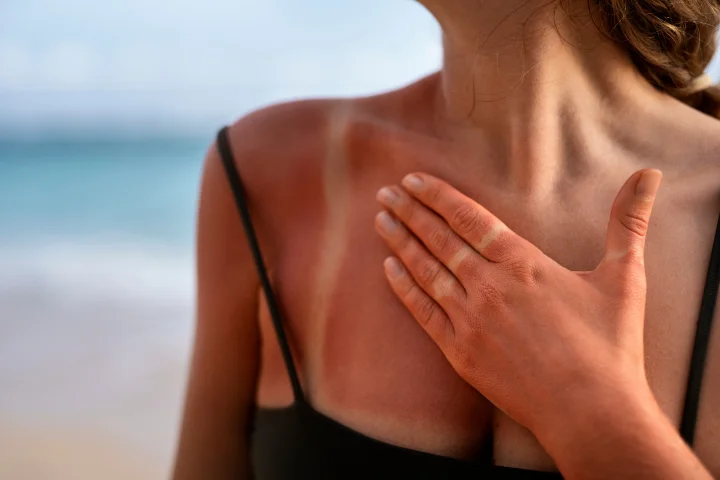
Sunburn is skin damage caused by excessive exposure to ultraviolet (UV) radiation from the sun. Spending long periods in the sun, especially during the summer months, can increase the risk of sunburn. Redness, warmth, sensitivity, pain, and in more severe cases, blistering are among the common symptoms of sunburn.
In regions such as Adana, where sunny and hot weather is common, protecting the skin from the sun is particularly important. Prolonged exposure to direct sunlight, especially around midday, can increase the risk of sunburn, particularly in people with fair skin and children.
At Private Algomed Hospital, specialist physicians provide evaluation and treatment for sunburn and other skin problems related to sun exposure. In this article, we discuss what sunburn is, its symptoms, what helps sunburn heal, and how to prevent sunburn.
What Is Sunburn?
Sunburn is an inflammatory skin reaction that occurs when the skin is exposed to excessive UV radiation, particularly UVB rays. Symptoms may begin several hours after sun exposure and can become more noticeable over the following days.
What Are the Symptoms of Sunburn?
- Redness of the skin
- Skin warmth and sensitivity
- Burning or pain
- Swelling
- Blistering
- Itching
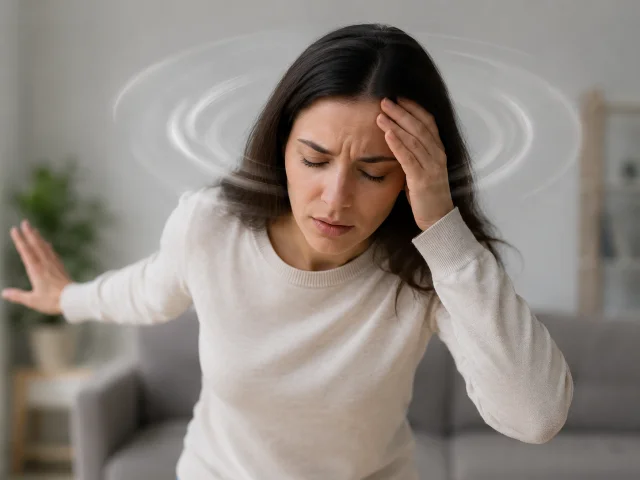
- Headache and weakness
- Fever, nausea, or dizziness in severe cases
What Causes Sunburn?
The main cause of sunburn is exposure to UV radiation. Spending a long time in the sun, being outdoors when sunlight is strongest, and not using adequate sun protection can increase the risk of sunburn.
Factors That Increase the Risk of Sunburn
- Prolonged exposure to direct sunlight
- Not using sunscreen
- Not applying enough sunscreen or reapplying it regularly
- Fair skin and sensitive skin
- Being outdoors during the hours when the sun is strongest
- Spending long periods near the sea or swimming pool
- Frequent and intense sun exposure during childhood
How Does Sunburn Heal?
Mild sunburns usually heal on their own over time. Keeping the skin cool, drinking enough fluids, and using suitable moisturizers may provide relief during the healing process. If blisters develop, it is important not to pop them.
What Helps Sunburn Heal?
- Taking a cool shower or applying a cool compress to the affected area
- Drinking plenty of water and fluids
- Moisturizing the skin
- Avoiding further sun exposure to the burned area
- Wearing loose and comfortable clothing
- Not popping blisters
- Using appropriate pain relievers or treatment products as recommended by a doctor
How Many Days Does Sunburn Take to Heal?
Mild sunburns usually begin to improve within a few days. Depending on the severity of the burn and the individual's skin type, complete healing may take longer. Severe sunburns may cause blistering, peeling, and significant pain.
Is Peeling Skin Normal After Sunburn?
Yes. Peeling of damaged skin may occur several days after a sunburn. Peeling skin should not be forcibly removed, and the affected area should be kept moisturized. Since newly formed skin may be more sensitive to sunlight, continued sun protection is important.
How Can Sunburn Be Prevented?
The most effective way to prevent sunburn is to reduce exposure to UV radiation and use appropriate sun protection. Extra care should be taken during the summer, especially when the sun is strongest.
Sun Protection Recommendations
- Use a broad-spectrum sunscreen with an appropriate sun protection factor.
- Apply sunscreen before going outdoors and reapply it when necessary.
- Try to stay in the shade during the hours when the sun is strongest.
- Wear a hat and sunglasses.
- Choose lightweight clothing that covers the skin.
- Limit children's direct exposure to sunlight.
- Reapply sunscreen after swimming or spending time in the water.
What Should Be Considered to Prevent Sunburn in Children?
Children's skin can be more sensitive to sunlight. Therefore, it is important to protect children from prolonged direct sun exposure, dress them appropriately, and take necessary sun protection measures. Extra care should be taken with young children.
Ways to Protect Children from the Sun
- Keep children away from direct sunlight during the hours when the sun is strongest.
- Use hats and sun-protective clothing.
- Make sure children drink enough fluids.
- Use appropriate sunscreen products based on the advice of a doctor or pharmacist.
- Never leave children unattended inside a vehicle or a hot enclosed space.
When Is Sunburn Dangerous?
Not all sunburns have the same severity. Medical evaluation may be necessary when a sunburn affects a large area of the body, causes extensive blistering, or affects the person's general health.
When Should You See a Doctor?
- When a severe sunburn affects a large area of the body
- When widespread or large blisters develop
- When severe pain occurs
- When fever, chills, or significant weakness develops
- When nausea, vomiting, or dizziness occurs
- When a child develops a severe sunburn
- When signs of infection appear
Frequently Asked Questions
What helps sunburn heal?
For mild sunburns, a cool shower or compress, adequate fluid intake, and moisturizing the skin may provide relief. Blisters should not be popped.
How many days does sunburn take to heal?
Mild sunburns usually begin to heal within a few days. Depending on the severity of the burn, the healing process may take longer.
What should be done if sunburned skin starts peeling?
Peeling skin should not be forcibly removed. The area should be gently cleaned, moisturized, and protected from the sun.
Can someone with sunburn go out in the sun again?
Direct sun exposure should be avoided until the burned skin has completely healed. Even after recovery, it is important to use appropriate sunscreen and continue taking protective measures.
Private Algomed Hospital
At Private Algomed Hospital, sunburn and other skin problems related to sun exposure are evaluated and treated by specialist physicians. Patients from Adana and surrounding regions are evaluated as needed and followed with an individualized treatment approach.
For more information, please visit our Contact page.
Conclusion
Sunburn is skin damage that can occur as a result of prolonged sun exposure, particularly during the summer months. Staying in the shade during the hours when the sun is strongest, using appropriate sunscreen, wearing protective clothing, and drinking enough fluids can help reduce the risk of sunburn. If severe sunburn symptoms occur, consultation with a dermatologist or another appropriate specialist is recommended.