What Causes Skin Rashes in Summer? Symptoms, Causes, and Treatment Methods
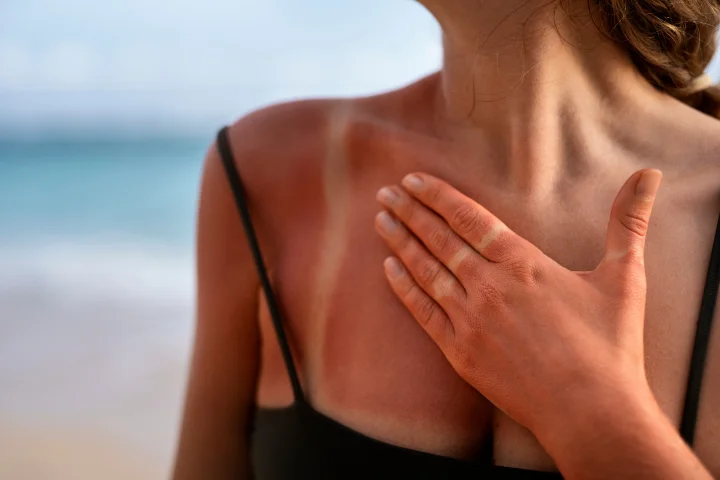
Skin rashes are among the most common skin problems during the summer months due to hot weather, increased sweating, sun exposure, humidity, and various environmental factors. They may appear as mild redness, itchy rashes, or small blisters and can affect people of all ages, negatively impacting daily comfort and quality of life.
The cause of skin rashes during summer is not always the same. Heat rash, sun allergy, fungal infections, insect bites, or allergic reactions may all produce similar symptoms. Therefore, obtaining an accurate diagnosis and determining the underlying cause are essential for appropriate treatment planning.
At the Private Algomed Hospital Dermatology Department, the diagnosis and treatment of summer-related skin rashes are carried out by experienced dermatology specialists. In this article, we discuss "What Causes Skin Rashes in Summer? Symptoms, Causes, and Treatment Methods" in detail.
What Are Summer Skin Rashes?
Summer skin rashes refer to redness, itching, bumps, or small fluid-filled blisters that develop due to increased temperatures, excessive sweating, and prolonged sun exposure. The appearance and severity of these rashes may vary depending on the underlying cause.
Symptoms of Summer Skin Rashes
- Redness of the skin
- Itching
- Small bumps or skin eruptions
- Burning or stinging sensation
- Skin sensitivity
- Discomfort that worsens with sweating
- Dryness or scaling
- Localized swelling
What Causes Skin Rashes in Summer?
The most common causes of summer skin rashes include excessive sweating, hot weather, sun exposure, allergic reactions, and skin infections. Keeping the skin damp for long periods or prolonged exposure to sunlight may also increase the risk of developing rashes.
Risk Factors for Summer Skin Rashes
- Hot and humid weather
- Excessive sweating
- Prolonged sun exposure
- Sensitive skin
- Wearing tight or non-breathable clothing
- Allergic reactions to sunscreen or cosmetic products
- Keeping the skin damp after swimming
- Fungal or bacterial skin infections
How Are Summer Skin Rashes Diagnosed?
Summer skin rashes are diagnosed through a physical examination performed by a dermatologist. The appearance, duration, distribution, and accompanying symptoms are evaluated. If necessary, allergy testing, skin scrapings, or laboratory investigations may also be performed.
Diagnostic Methods
- Detailed medical history
- Dermatological examination
- Assessment of rash distribution
- Evaluation of allergy history
- Skin scraping examination when necessary
- Laboratory tests
- Additional tests for differential diagnosis
Treatment of Summer Skin Rashes
Treatment depends on the underlying cause of the rash. The goal is to relieve symptoms while addressing the condition responsible for the skin changes. Treatment may include topical medications, oral medications, and lifestyle recommendations.
Treatment Options for Summer Skin Rashes
- Anti-itch creams
- Moisturizing products
- Antihistamines prescribed by a physician
- Topical corticosteroid creams when appropriate
- Antifungal medications for fungal infections
- Keeping the skin cool
- Avoiding triggering factors
- Personalized dermatological treatment planning
How to Prevent Summer Skin Rashes
Several preventive measures can help reduce the risk of developing skin rashes during the summer months. Keeping the skin clean and dry, protecting it from excessive sun exposure, and choosing appropriate clothing are among the most effective strategies.
Prevention Tips
- Use broad-spectrum sunscreen regularly.
- Wear loose-fitting, breathable cotton clothing.
- Shower after excessive sweating.
- Avoid leaving the skin damp for prolonged periods.
- Stay well hydrated.
- Avoid prolonged outdoor activities during peak sunlight hours.
- Maintain good personal hygiene.
- Consult a dermatologist if skin rashes persist.
Frequently Asked Questions
Why are skin rashes more common during the summer?
Heat, sweating, humidity, and increased sun exposure can weaken the skin barrier and contribute to skin irritation. In addition, outdoor activities increase exposure to allergens and insect bites.
Do summer skin rashes go away on their own?
Some mild skin rashes may resolve within a few days without treatment. However, persistent, widespread, or intensely itchy rashes should be evaluated by a dermatologist.
What helps relieve skin rashes?
Keeping the skin cool, avoiding irritating products, and following the treatment recommended by a healthcare professional may help relieve symptoms. The most appropriate treatment depends on the underlying cause.
When should I see a doctor?
You should seek medical attention if the rash spreads rapidly, is accompanied by fever, causes severe pain, is associated with difficulty breathing, or does not improve within a few days.
Private Algomed Hospital Dermatology Department
At the Private Algomed Hospital Dermatology Department, the diagnosis and treatment of summer skin rashes are provided by experienced specialists using up-to-date medical approaches. Patients from Adana and surrounding regions receive personalized evaluation and treatment plans based on their individual needs.
For more information, please visit our Contact page.
Conclusion
Summer skin rashes are common dermatological conditions that may develop due to various environmental and medical factors. With an accurate diagnosis, appropriate treatment, and preventive measures, symptoms can usually be effectively managed. If a skin rash persists, recurs frequently, or becomes more severe, consultation with a dermatologist is recommended.