Why Does Heartburn Occur? What Are the Symptoms, Causes and Treatment Methods of Acid Reflux?
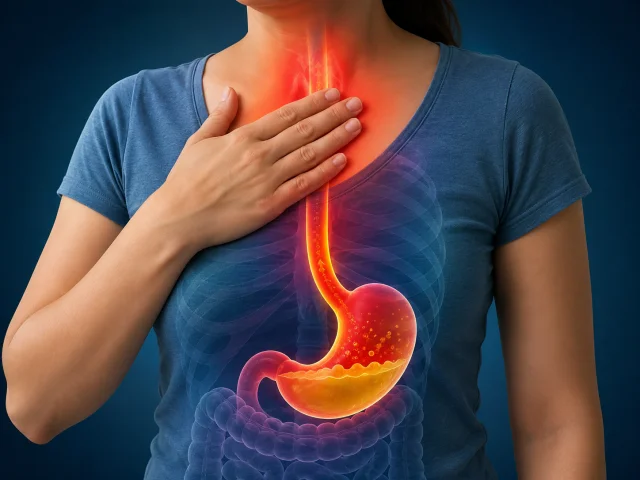
Heartburn is a burning and uncomfortable sensation that can be felt behind the breastbone or extending toward the throat. Heartburn that occurs occasionally may be related to a simple digestive problem. However, frequent or persistent symptoms may be a sign of gastroesophageal reflux disease (GERD) or another digestive system condition.
One of the most common causes of heartburn is the backflow of stomach contents into the esophagus. Eating large or fast meals, consuming fatty or spicy foods, being overweight, certain medications and lifestyle habits may also cause or worsen heartburn symptoms.
At the Gastroenterology Department of Özel Algomed Hospital, the diagnosis, treatment and follow-up of heartburn, acid reflux and other digestive system diseases are carried out by specialist physicians. In this article, we will discuss the causes of heartburn, symptoms of acid reflux, diagnostic and treatment methods, and what to consider when experiencing heartburn.
Why Does Heartburn Occur in Adana?
Heartburn can have many different causes. One of the most common causes is the backflow of stomach contents into the esophagus. When stomach acid reaches the esophagus, it can irritate the esophageal lining and cause a burning sensation.
What Are the Common Causes of Heartburn?
- Gastroesophageal reflux disease (GERD)
- Eating large meals or eating too quickly
- Consuming fatty or spicy foods
- Lying down immediately after eating
- Being overweight
- Smoking
- Excessive alcohol or caffeine consumption
- Stress and irregular lifestyle habits
- Use of certain medications
- Hormonal and physical changes during pregnancy
What Is Acid Reflux?
Acid reflux occurs when stomach contents flow back into the esophagus. When stomach acid reaches the esophagus, it can cause irritation and a burning sensation in the chest. Acid reflux symptoms may become more noticeable after meals, while lying down or during the night.
What Are the Symptoms of Acid Reflux?
- Burning sensation in the chest or stomach
- Acidic or bitter taste in the mouth
- Regurgitation of food or stomach contents
- Increased burning and discomfort at night
- Burning or irritation in the throat
- Dry cough
- Hoarseness
- Discomfort when swallowing
- Bloating and indigestion
Which Foods Can Worsen Heartburn?
Some foods and beverages may increase heartburn or acid reflux symptoms. However, trigger foods can vary from person to person. Therefore, it is important to identify foods that personally worsen your symptoms.
Foods and Beverages That May Trigger Heartburn
- Fatty and fried foods
- Very spicy foods
- Chocolate
- Coffee and beverages containing high amounts of caffeine
- Carbonated beverages
- Alcohol
- Citrus fruits and fruit juices
- Tomatoes and some tomato-based products
How Can Heartburn Be Relieved?
The treatment of heartburn is primarily determined according to the underlying cause. For mild and occasional symptoms, changes in diet and lifestyle may be beneficial. Medical evaluation is recommended for frequent or persistent heartburn.
What Should Be Considered to Reduce Heartburn?
- Avoid consuming very large portions.
- Eat meals slowly and in a controlled manner.
- Avoid lying down immediately after eating.
- Avoid heavy meals late at night.
- Limit foods and beverages that trigger your symptoms.
- If you are overweight, seek professional support for healthy weight management.
- Avoid smoking.
- Do not use medications without medical advice.
How Is Heartburn Treated?
The treatment of heartburn is planned according to its cause and severity. In patients diagnosed with acid reflux, lifestyle changes may be combined with medications recommended by a physician. Further examinations may be required in people who do not respond adequately to treatment or when another underlying condition is suspected.
Treatment Methods That May Be Used for Heartburn
- Dietary and lifestyle modifications
- Medications that reduce stomach acid
- Individualized treatment plans based on the patient's symptoms
- Upper gastrointestinal endoscopy when necessary
- Treatment of the underlying condition
- Regular medical follow-up
How Is Heartburn Diagnosed?
To determine the cause of heartburn, the patient's symptoms and medical history are evaluated first. When the symptoms started, their relationship with meals, how frequently they occur and whether other symptoms accompany them are important during the diagnostic process.
Which Methods May Be Used During Diagnosis?
- Evaluation of the patient's medical history
- Physical examination
- Upper gastrointestinal endoscopy when necessary
- Esophageal pH monitoring
- Evaluation of esophageal motility when necessary
- Additional examinations for differential diagnosis
When Can Heartburn Be Dangerous?
Not every case of heartburn indicates a serious disease. However, medical evaluation is important if symptoms occur frequently, become increasingly severe or are accompanied by other concerning symptoms.
When Should You See a Doctor?
- Frequent or persistent heartburn
- Difficulty or pain when swallowing
- Persistent or severe chest pain
- Recurrent vomiting
- Vomiting blood
- Black or tarry stools
- Unexplained weight loss
- Symptoms that continue despite treatment
How Can Heartburn Be Distinguished from Heart Pain?
Heartburn and heart-related chest pain can sometimes feel similar. If pressure, tightness or pain in the chest has started recently, it should not automatically be assumed to be caused by acid reflux.
When Should Emergency Medical Help Be Sought for Chest Pain?
Emergency medical attention should be sought if there is severe pressure or tightness in the chest, shortness of breath, cold sweating, nausea, fainting or pain spreading to the arm, back, neck or jaw. These symptoms may indicate a serious heart-related condition.
Frequently Asked Questions
Why does heartburn occur?
One of the most common causes of heartburn is the backflow of stomach contents into the esophagus. Dietary habits, being overweight, certain medications, smoking, alcohol and various digestive system disorders may also cause heartburn.
Is heartburn a symptom of acid reflux?
Yes. Recurring burning in the stomach or chest, especially after meals or when lying down, can be a common symptom of acid reflux. A medical evaluation is required for a definitive assessment.
What helps relieve heartburn?
Eating smaller meals, avoiding lying down immediately after eating, limiting personal trigger foods and adopting healthy lifestyle habits may help reduce symptoms. Medical evaluation is recommended when symptoms occur frequently.
When should I see a doctor for heartburn?
You should consult a doctor if heartburn occurs frequently, persists for a long time or is accompanied by difficulty swallowing, weight loss, signs of bleeding or severe chest pain.
Are heartburn and heart pain the same thing?
No. Heartburn is generally associated with the digestive system, while heart-related chest pain has a different cause. However, the symptoms can sometimes be similar, so medical evaluation is important, particularly for new or severe chest pain.
Gastroenterology Department of Özel Algomed Hospital
At the Gastroenterology Department of Özel Algomed Hospital, the diagnosis, treatment and follow-up of heartburn, acid reflux and other digestive system diseases are carried out by specialist physicians. Patients from Adana and surrounding areas are evaluated according to their symptoms and health conditions, and individualized treatment plans are developed.
For detailed information, you can contact our hospital through the contact page.
Conclusion
Heartburn is a common symptom that may occur especially after meals or at night. It can develop due to various causes, particularly acid reflux. Dietary and lifestyle changes may help reduce symptoms in some people, but frequent or persistent heartburn should be medically evaluated to determine the underlying cause. In cases of severe chest pain, difficulty swallowing, signs of bleeding or unexplained weight loss, medical attention should be sought without delay.