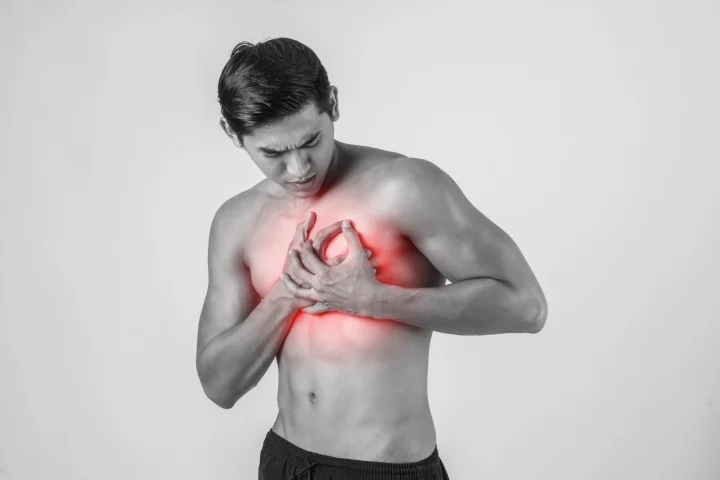
What Causes Heart Palpitations? Symptoms, Causes, Diagnosis and Treatment Methods
Heart palpitations are the sensation of feeling your heartbeat as faster, stronger, irregular, or different than usual. While not every episode of palpitations indicates a serious heart condition, they can sometimes be a sign of an underlying cardiovascular disorder. Palpitations that occur frequently, last for an extended period, or are accompanied by chest pain, shortness of breath, or fainting should be evaluated by a cardiology specialist.
Heart palpitations may develop due to stress, anxiety, intense exercise, caffeine consumption, hormonal changes, or heart rhythm disorders. Identifying the underlying cause is essential for accurate diagnosis and effective treatment.
At the Private Algomed Hospital Cardiology Department, the diagnosis and treatment of conditions causing heart palpitations are performed by experienced cardiology specialists. In this article, we discuss "What Causes Heart Palpitations? Symptoms, Causes, Diagnosis and Treatment Methods" in detail.
Heart Palpitations in Adana
Heart palpitations refer to the awareness of an abnormal heartbeat. They may be experienced as a racing heart, fluttering sensation, pounding heartbeat, skipped beats, or irregular rhythm. While some cases are harmless and temporary, others may be associated with cardiac arrhythmias requiring medical evaluation.
What Are the Symptoms of Heart Palpitations?
- Feeling a rapid heartbeat
- Fluttering sensation in the chest
- Irregular heartbeat
- Sensation of skipped heartbeats
- Dizziness
- Shortness of breath
- Chest pain or chest pressure
- Feeling faint or loss of consciousness
What Causes Heart Palpitations?
Heart palpitations can occur for many different reasons. Lifestyle factors, medical conditions, and heart diseases may all contribute to their development. Although many cases are harmless, determining the underlying cause is important.
Common Causes of Heart Palpitations
- Stress and anxiety
- Excessive caffeine consumption
- Smoking and alcohol use
- Intense physical exercise
- Anemia
- Thyroid disorders
- Cardiac arrhythmias
- Heart valve diseases
- Electrolyte imbalances
- Side effects of certain medications
When Can Heart Palpitations Be Dangerous?
Although many episodes of heart palpitations are harmless, some symptoms may indicate a serious heart condition. Immediate medical attention is recommended if the following symptoms occur.
Warning Signs That Require Medical Attention
- Palpitations accompanied by chest pain
- Shortness of breath
- Fainting or loss of consciousness
- Severe dizziness
- Rapid heartbeat lasting several minutes
- Sudden palpitations occurring at rest
- Palpitations in individuals with known heart disease
- Frequent episodes of irregular heartbeat
How Are Heart Palpitations Diagnosed?
A cardiologist evaluates the underlying cause of heart palpitations through a detailed medical history, physical examination, and appropriate diagnostic tests. The diagnostic process helps determine whether the symptoms are related to a heart rhythm disorder or another medical condition.
Diagnostic Methods
- Detailed medical history
- Physical examination
- Electrocardiogram (ECG)
- Holter ECG monitoring (24–48 hours)
- Echocardiography (Heart ultrasound)
- Exercise stress test
- Blood tests
- Advanced cardiac rhythm evaluations when necessary
Heart Palpitations Treatment in Adana
Treatment for heart palpitations depends on the underlying cause. Depending on the diagnosis, treatment may include lifestyle modifications, medications, interventional procedures, or advanced cardiac rhythm therapies.
Treatment Options for Heart Palpitations
- Lifestyle modifications
- Reducing caffeine and quitting smoking
- Stress management
- Medication therapy
- Anti-arrhythmic treatments
- Catheter ablation
- Pacemaker implantation when indicated
- Treatment of the underlying medical condition
Ways to Reduce the Risk of Heart Palpitations
Maintaining a healthy lifestyle can help reduce the likelihood of experiencing heart palpitations. Regular cardiovascular check-ups also play an important role in early diagnosis.
Prevention Tips
- Limit caffeine intake.
- Avoid smoking and excessive alcohol consumption.
- Exercise regularly.
- Maintain healthy sleep habits.
- Manage stress effectively.
- Follow a balanced diet.
- Attend regular cardiology check-ups.
- Seek medical evaluation if symptoms recur.
Frequently Asked Questions
Do heart palpitations always indicate heart disease?
No. Heart palpitations may result from stress, caffeine, exercise, or hormonal changes. However, persistent or recurrent symptoms should be evaluated by a cardiologist.
What should I do during a heart palpitation episode?
Try to remain calm, rest, and practice slow, deep breathing. If palpitations are accompanied by chest pain, shortness of breath, or fainting, seek immediate medical attention.
Can heart palpitations be treated?
Yes. Depending on the underlying cause, heart palpitations can often be successfully managed with lifestyle modifications, medications, or interventional procedures.
When should I see a cardiologist?
You should consult a cardiologist if palpitations occur frequently, last for a prolonged period, or are associated with chest pain, shortness of breath, dizziness, or fainting.
Private Algomed Hospital Cardiology Department
At the Private Algomed Hospital Cardiology Department, the diagnosis and treatment of conditions causing heart palpitations are provided by experienced cardiology specialists using up-to-date medical approaches. Patients from Adana and surrounding regions receive individualized evaluation and treatment plans.
For more information, please visit our Contact page.
Conclusion
Heart palpitations are a common symptom that can occur for many different reasons. While most cases are harmless, they may sometimes indicate a serious heart condition. Early diagnosis, comprehensive cardiac evaluation, and personalized treatment planning are essential for identifying the underlying cause and managing symptoms effectively. If heart palpitations are accompanied by chest pain, shortness of breath, or fainting, prompt evaluation by a cardiology specialist is strongly recommended.