What Is a Gallbladder Stone? Symptoms, Causes and Treatment Methods
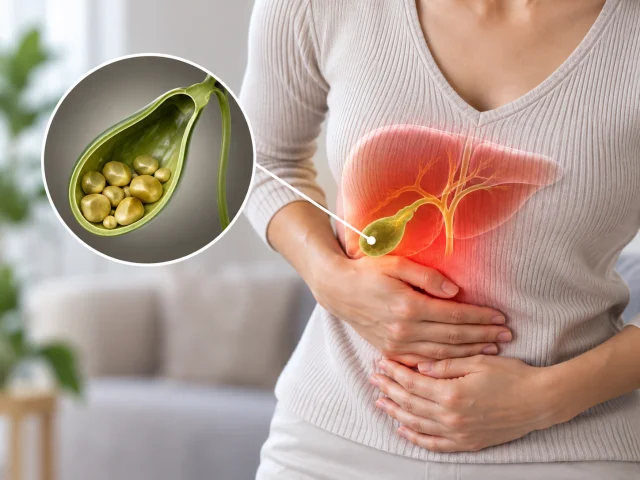
Gallstones are hard formations that develop inside the gallbladder when certain components of bile crystallize. While gallstones may not cause any symptoms in some people, they can lead to abdominal pain, nausea and digestive problems when they obstruct the bile ducts.
Symptoms of gallstones can vary depending on the size and number of stones and their location in the biliary tract. Pain felt in the upper right part of the abdomen, particularly after meals, is one of the important symptoms that should be evaluated for gallbladder stones.
What Is a Gallbladder Stone?
The gallbladder is a small, pear-shaped organ that stores bile produced by the liver. Bile helps digest fats and is released into the intestines when needed.
Gallstones can form when certain substances in bile become concentrated and crystallize inside the gallbladder. This condition is known as cholelithiasis.
Gallstones may be as small as grains of sand or considerably larger. A person may have a single stone or multiple stones.
What Causes Gallstones?
Several factors may contribute to the formation of gallstones. Changes in the chemical balance of bile, inadequate emptying of the gallbladder and certain individual risk factors can increase the likelihood of stone formation.
Factors that may contribute to gallstone formation include:
- Overweight and obesity
- Rapid weight loss
- A diet high in fat and cholesterol
- A low-fiber diet
- Prolonged fasting
- Pregnancy
- A family history of gallstones
- Increasing age
- Some metabolic diseases
- Certain medications and health conditions
What Are the Symptoms of Gallstones?
Not everyone with gallstones experiences symptoms. Gallstones may sometimes be discovered incidentally during an ultrasound performed for another reason.
When gallstones cause symptoms, one of the most common complaints is pain in the upper right part of the abdomen.
Possible symptoms of gallstones include:
- Pain in the upper right abdomen
- Sudden or worsening pain in the upper abdomen
- Pain spreading to the back or right shoulder
- Pain occurring especially after fatty meals
- Nausea
- Vomiting
- Indigestion
- Bloating
- Belching
Gallstone pain may last for several minutes or continue for a longer period. Recurrent pain should be evaluated by a doctor.
Where Does Gallbladder Stone Pain Radiate?
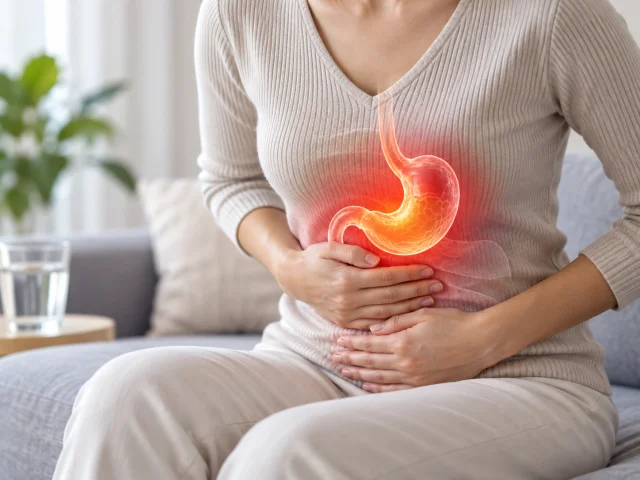
Pain caused by gallstones is generally felt in the upper right abdomen or around the stomach. In some people, the pain may radiate to the back, particularly the right shoulder area.
The location and character of the pain can vary from person to person. Therefore, gallstones cannot be diagnosed based solely on the location of the pain.
Can Gallstones Cause Gas and Bloating?
Gallstones may be associated with digestive symptoms such as indigestion, bloating, belching and discomfort after meals in some people.
However, gas and bloating can also occur with many other digestive system conditions. Therefore, these symptoms alone do not necessarily indicate the presence of gallstones.
Are Gallstones Dangerous?
Asymptomatic gallstones may remain in the gallbladder for a long time without causing problems in some people. However, when a stone blocks a bile duct or inflammation develops in the gallbladder, various complications may occur.
Possible complications of gallstones include:
- Acute cholecystitis (inflammation of the gallbladder)
- Bile duct obstruction
- Jaundice
- Bile duct infection
- Pancreatitis
How Are Gallstones Diagnosed?
The diagnosis of gallstones is based on the patient's symptoms and physical examination, as well as imaging tests when necessary.
Ultrasonography is one of the most commonly used methods for evaluating gallstones. Blood tests and other imaging methods may also be used when necessary.
The doctor determines which tests are needed based on the patient's symptoms and examination findings.
How Are Gallstones Treated?
Treatment depends on whether the gallstones cause symptoms, the condition of the gallbladder and whether complications have developed.
For some people with asymptomatic gallstones, the doctor may recommend observation and follow-up. However, surgical treatment may be considered when gallstones cause recurrent pain or complications.
Is Surgery Necessary for Gallstones?
Not every patient with gallstones needs surgery. However, surgical treatment may be recommended in cases of recurrent gallstone pain, gallbladder inflammation, bile duct obstruction or other complications caused by gallstones.
Surgical removal of the gallbladder is called cholecystectomy. When appropriate, the procedure can often be performed using a laparoscopic, or minimally invasive, technique.
What Is Laparoscopic Gallbladder Surgery?
During laparoscopic cholecystectomy, the gallbladder is removed through small incisions made in the abdomen. The procedure is performed under general anesthesia.
Whether the laparoscopic method is appropriate depends on the patient's overall health, the characteristics of the gallbladder disease and the surgeon's evaluation.
What Should Be Considered After Gallbladder Surgery?
The recovery period after surgery can vary from person to person. Following the doctor's recommendations and attending follow-up appointments are important.
Especially during the initial recovery period, patients may be advised to:
- Follow the diet recommended by their doctor
- Limit excessively fatty and heavy foods
- Drink sufficient fluids
- Follow recommended physical activity restrictions
- Attend regular follow-up appointments
How Should People with Gallstones Eat?
Dietary habits may help control symptoms in people with gallstones. Fatty and heavy meals may trigger pain in some individuals.
In general, maintaining a balanced diet, limiting excessively fatty foods, including fiber-rich foods and avoiding rapid weight loss are important.
However, dietary recommendations may vary depending on the individual's health condition. A personalized nutrition plan should therefore be discussed with a doctor or dietitian.
Frequently Asked Questions About Gallstones
Can gallstones pass on their own?
Small stones may move into the bile duct, but this does not always happen without complications. A stone blocking the bile duct can lead to serious complications. Therefore, medical evaluation should not be delayed while waiting for gallstones to pass on their own.
How long does gallstone pain last?
The duration of pain can vary from person to person. Recurrent or prolonged pain should be evaluated to determine whether there is a problem involving the gallbladder or bile ducts.
Can gallstones cause stomach pain?
Yes. Pain caused by gallstones may be felt around the stomach or in the upper abdomen. However, stomach pain can have many different causes, so a definitive diagnosis requires medical evaluation.
Can gallstones be treated without surgery?
The same treatment is not appropriate for every gallstone patient. Asymptomatic stones may sometimes be monitored. Surgical treatment may be considered when stones cause symptoms or complications.
Can people continue their normal lives after gallbladder surgery?
Most people can return to their daily lives after gallbladder removal. The liver continues to produce bile, which can flow directly into the intestines. Following the doctor's recommendations regarding diet and lifestyle after surgery is important.
When Should You Go to the Emergency Department for Gallstones?
Severe and persistent abdominal pain, high fever, jaundice, continuous vomiting, significant weakness or deterioration in general condition may indicate a condition involving the gallbladder or bile ducts that requires urgent medical evaluation.
In such cases, medical attention should be sought without delay.
Gallstone Treatment in Adana
If you experience recurrent abdominal pain, indigestion or symptoms that occur after meals due to gallstones, you may consult a general surgery specialist to determine the underlying cause.
At Özel Algomed Hospital, specialist physicians can evaluate complaints related to the gallbladder and bile ducts and determine appropriate treatment options.
Conclusion
Gallstones do not always cause symptoms. However, especially upper right abdominal pain after meals, pain radiating to the back or right shoulder, nausea and vomiting should be evaluated for possible gallbladder stones.
Early medical evaluation is important for recurrent or severe symptoms to help prevent possible complications. Treatment of gallstones should be planned by a doctor after evaluating the patient's symptoms and overall health.