Why Does Stomach Pain Occur? Common Causes, Symptoms, and When to See a Doctor
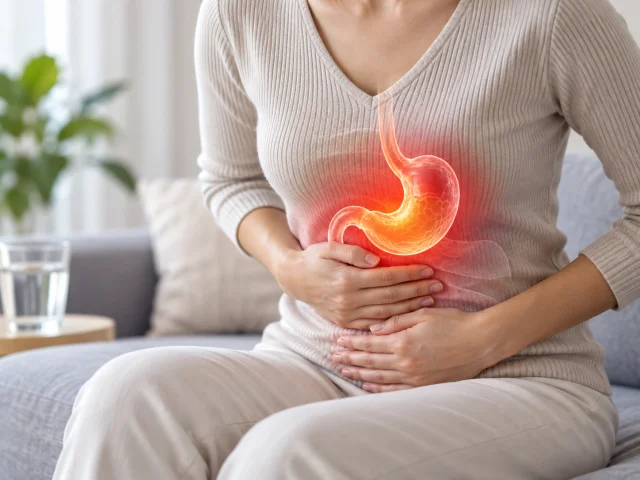
Stomach pain is one of the most common health complaints encountered in daily life. Pain felt in the upper abdomen can be mild and short-lived, or it may persist, recur, or become severe enough to affect daily activities. The cause of stomach pain does not always originate directly from the stomach and may be associated with various digestive system conditions.
Gastritis, acid reflux, stomach ulcers, indigestion, gas, bloating, and certain dietary habits are among the common causes of stomach pain. However, severe or persistent stomach pain may sometimes indicate a more serious health problem. Therefore, medical evaluation is important when symptoms persist or occur repeatedly.
What Is Stomach Pain?
Stomach pain generally refers to discomfort, burning, pressure, or cramping felt in the upper abdominal area below the rib cage. The location, severity, duration, and accompanying symptoms can provide important clues about the possible cause.
In some people, pain may become worse after eating, while in others it may occur when the stomach is empty or at night. Therefore, it is important to consider when the pain begins and which situations make it worse when evaluating stomach pain.
What Are the Most Common Causes of Stomach Pain?
There are many different conditions that can cause stomach pain. Some of the most common include:
- Gastritis
- Acid reflux
- Stomach and duodenal ulcers
- Indigestion
- Gas and bloating
- Dietary habits
- Food intolerances
- Stress and psychological factors
- Effects of certain medications on the stomach
- Helicobacter pylori infection
Can Gastritis Cause Stomach Pain?
Gastritis is a condition involving inflammation or irritation of the stomach lining. It may cause burning and pain in the stomach area, nausea, bloating, and indigestion.
Causes of gastritis may include certain infections, particularly Helicobacter pylori, prolonged or inappropriate use of certain medications, alcohol consumption, and various factors that may irritate the stomach.
Can Acid Reflux Cause Stomach Pain?
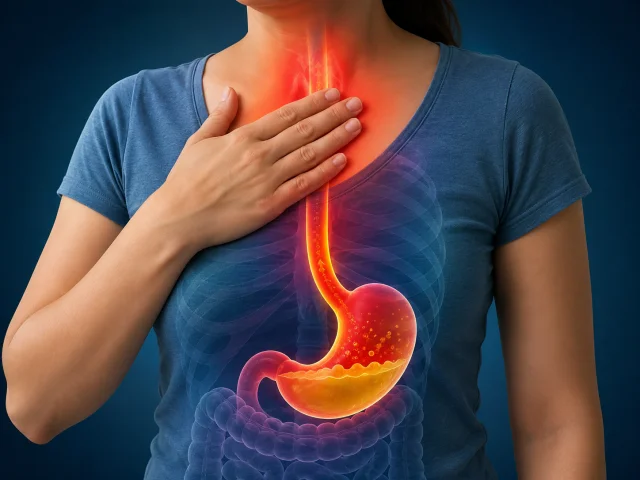
Acid reflux occurs when stomach contents flow back into the esophagus. Although it is most commonly associated with heartburn and a sour or bitter taste in the mouth, some people may also experience discomfort or pain in the upper abdominal area.
Symptoms that become worse particularly after meals or when lying down may be among the conditions that should be evaluated for acid reflux.
Can a Stomach Ulcer Cause Pain?
Ulcers that develop in the stomach or duodenum may cause pain in the upper abdominal area. The relationship between pain and meals can vary from person to person. Some individuals may experience pain that becomes worse when the stomach is empty or during the night.
Causes of ulcers may include Helicobacter pylori infection and long-term use of certain painkillers. Medical evaluation is required for diagnosis and treatment.
Can Indigestion and Gas Cause Stomach Pain?
Eating too quickly, consuming large amounts of food, eating fatty or heavy meals, and consuming foods that an individual cannot tolerate may lead to indigestion, gas, and bloating. These conditions can cause pain or discomfort in the upper abdomen.
If symptoms repeatedly occur after consuming certain foods, reviewing dietary habits and seeking medical evaluation when necessary may be helpful.
Can Stress Trigger Stomach Pain?
Stress and intense emotional states can affect the digestive system. In some people, stomach discomfort, indigestion, nausea, or abdominal pain may increase during stressful periods.
However, persistent stomach pain should not simply be attributed to stress and ignored. Especially in cases of recurrent or worsening pain, it is important to investigate possible underlying physical causes.
What Symptoms Can Accompany Stomach Pain?
Various digestive symptoms may occur together with stomach pain. These may include:
- Nausea and vomiting
- Bloating and gas
- Indigestion
- Loss of appetite
- Heartburn
- A bitter or sour taste in the mouth
- Feeling full quickly
- Belching
Evaluating these symptoms together can help identify possible underlying causes.
When Should You See a Doctor for Stomach Pain?
Mild and short-term stomach discomfort may resolve on its own in some cases. However, you should consult a doctor if the pain is severe, persistent, recurrent, or progressively worsening.
In particular, symptoms such as vomiting blood, vomit that resembles coffee grounds, black stools, unexplained weight loss, persistent vomiting, fainting, or significant weakness require prompt medical evaluation. Sudden and severe abdominal pain should be evaluated through emergency medical services.
How Is Stomach Pain Diagnosed?
To determine the cause of stomach pain, the patient's symptoms, characteristics of the pain, dietary habits, medications, and existing health conditions are first evaluated. Following a physical examination, the doctor may request blood tests or other diagnostic methods when necessary.
Depending on the suspected cause, endoscopy, imaging methods, or tests for Helicobacter pylori may be performed. The necessary examinations are determined according to the patient's individual condition.
How Is Stomach Pain Treated?
Treatment varies depending on the underlying cause of stomach pain. Different treatment approaches may be used for conditions such as gastritis, acid reflux, ulcers, or infections.
When considered necessary by the doctor, medications that reduce stomach acid, treatments for infections, or other appropriate medications may be prescribed. Adjusting dietary habits and identifying factors that worsen symptoms may also be part of the treatment process.
Long-term medication use without medical advice or stopping prescribed medications without consulting a doctor is not recommended. In particular, patients who regularly use painkillers should discuss their possible effects on the stomach with their doctor.
What Should You Do to Protect Your Stomach Health?
- Maintain a balanced and regular diet.
- Avoid eating too quickly or consuming excessive amounts of food.
- Limit foods that you notice trigger your symptoms.
- Try to avoid heavy meals late at night.
- Avoid smoking and alcohol consumption.
- Do not use medications for prolonged periods without medical advice.
- Pay attention to stress management and regular sleep.
- Do not ignore persistent or recurrent stomach complaints.
Frequently Asked Questions About Stomach Pain
Is stomach pain always caused by gastritis?
No. In addition to gastritis, acid reflux, ulcers, indigestion, gas, infections, and various other health conditions can cause stomach pain.
Why does my stomach hurt when I am hungry?
Stomach pain that occurs when the stomach is empty can have different causes. In some stomach conditions, such as gastritis and ulcers, pain may be associated with hunger. Medical evaluation is necessary to determine the exact cause.
Why does my stomach hurt after eating?
Stomach pain after eating may be associated with indigestion, acid reflux, gastritis, certain food intolerances, or other digestive system problems. When the pain occurs and which foods trigger it can be important for diagnosis.
Which department should I visit for stomach pain?
You can initially consult the Internal Medicine department for stomach pain. When necessary, a Gastroenterology specialist may perform a more detailed evaluation.
When should stomach pain be taken seriously?
If severe or worsening pain is accompanied by vomiting blood, black stools, persistent vomiting, unexplained weight loss, fainting, or other concerning symptoms, medical evaluation should be sought without delay.
Medical Evaluation for Stomach Pain in Adana
If stomach pain persists, occurs frequently, or affects your daily life, it is important to determine the underlying cause. If you experience stomach pain or digestive system complaints in Adana, you can seek evaluation from a specialist physician.
Özel Algomed Hospital
You can visit Özel Algomed Hospital for the evaluation of stomach pain, indigestion, acid reflux, and other digestive system complaints. For detailed information and appointments, you can visit our contact page.
Conclusion
Stomach pain can occur due to gastritis, acid reflux, ulcers, indigestion, gas, dietary habits, and various other health conditions. Although mild and short-term symptoms do not always indicate a serious illness, medical evaluation is important to determine the underlying cause of persistent, recurrent, or worsening stomach pain.