What Are Gallstones? Symptoms, Causes and Treatment Methods
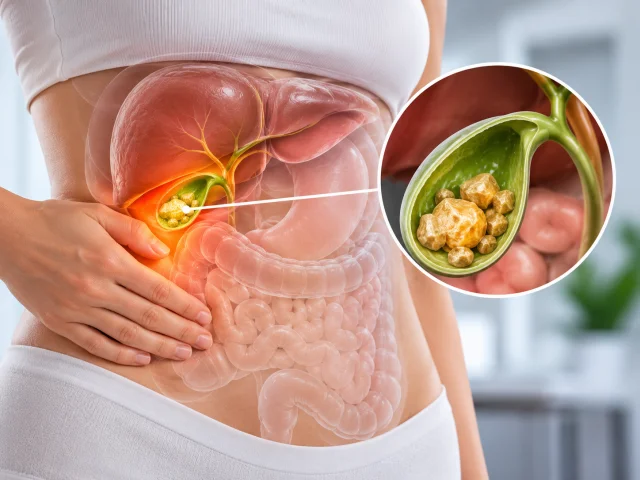
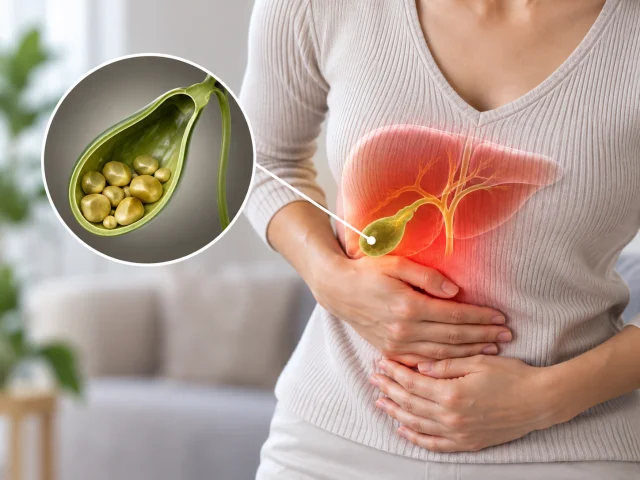
Gallstones are hard formations that develop inside the gallbladder when certain components of bile become concentrated and crystallize. Gallstones are very common. While they may not cause any symptoms in some people, they can lead to severe abdominal pain, nausea and digestive problems in others.
Gallstones are sometimes discovered incidentally during an ultrasound examination. When gallstones cause symptoms or complications, appropriate treatment should be planned.
What Are Gallstones?
The gallbladder is a small organ that stores bile produced by the liver. Bile helps the body digest fats. When the balance of substances in bile changes, crystals may form. Over time, these crystals can grow and develop into gallstones.
Gallstones can vary in size. Some may be as small as grains of sand, while others can be considerably larger. A person may have a single gallstone or multiple stones.
What Causes Gallstones?
Several factors may contribute to the formation of gallstones. Changes in the composition of bile, incomplete emptying of the gallbladder and certain individual risk factors can increase the likelihood of developing gallstones.
Factors that may increase the risk of gallstones include:
- Overweight or obesity
- Rapid weight loss
- A diet high in fat
- Prolonged fasting
- Pregnancy
- A family history of gallstones
- Advanced age
- Certain metabolic and intestinal diseases
- Use of certain medications
What Are the Symptoms of Gallstones?
Not everyone with gallstones experiences symptoms. Gallstones that do not cause symptoms are often discovered incidentally during imaging performed for another reason.
The most common symptoms of symptomatic gallstones include:
- Pain in the upper right side of the abdomen
- Sudden and severe pain in the upper abdomen
- Pain radiating to the back or right shoulder
- Nausea and vomiting
- Indigestion
- Abdominal discomfort or bloating after meals
Where Is Gallbladder Pain Felt?
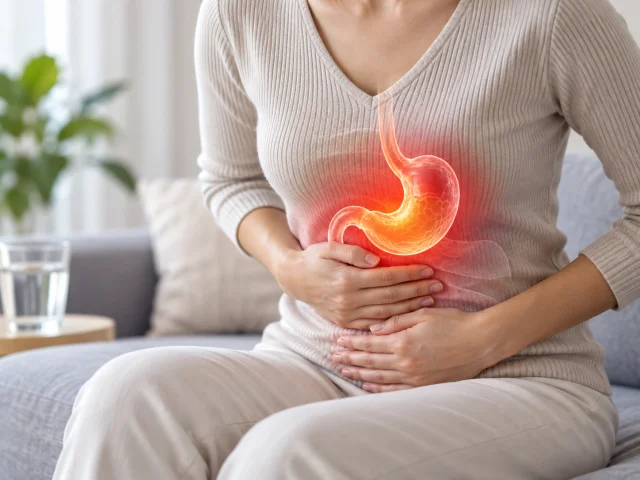
Gallbladder pain is usually felt in the upper right side of the abdomen or in the upper middle part of the abdomen. The pain may radiate toward the back or right shoulder.
Recurring upper abdominal pain that occurs especially after fatty or heavy meals should be evaluated for possible gallbladder disease.
Are Gallstones Dangerous?
Many gallstones that do not cause symptoms can be monitored without causing serious problems. However, when a gallstone blocks the bile ducts, various complications may develop.
Gallstones can lead to conditions such as:
- Gallbladder inflammation
- Jaundice
- Bile duct infection
- Pancreatitis
- Bile duct obstruction
What Is Gallbladder Inflammation?
Inflammation of the gallbladder is medically known as cholecystitis. It most commonly occurs when a gallstone blocks the outlet of the gallbladder.
Cholecystitis may cause significant pain in the upper right abdomen, fever, nausea and vomiting. If severe and persistent abdominal pain occurs together with fever, prompt medical evaluation is important.
Can Gallstones Cause Pancreatitis?
Yes. A gallstone can cause inflammation of the pancreas if it blocks the area where the main bile duct and pancreatic duct meet. This condition is called acute pancreatitis and can be a serious medical condition.
Severe and persistent upper abdominal pain, pain radiating to the back, nausea and vomiting require urgent medical evaluation.
How Are Gallstones Diagnosed?
The diagnosis of gallstones is based on the patient's symptoms, physical examination, blood tests and imaging methods.
Ultrasound
Abdominal ultrasound is one of the most commonly used imaging methods for evaluating gallstones. In addition to detecting stones in the gallbladder, ultrasound can also provide information about changes in the gallbladder wall and certain findings involving the bile ducts.
Blood Tests
When necessary, liver function tests, bilirubin levels and other blood values may be evaluated. These tests can help assess possible bile duct obstruction or infection.
How Are Gallstones Treated?
The treatment method depends on the presence of symptoms, the effect of the stones on the bile ducts and whether complications have developed.
Some gallstones that do not cause symptoms may be monitored by a doctor. However, surgical treatment may be considered when gallstones cause recurrent pain or lead to complications.
What Is Gallbladder Surgery?
The most commonly used surgical treatment for gallstones is laparoscopic cholecystectomy, which is the removal of the gallbladder using a minimally invasive surgical technique.
During the procedure, the gallbladder is removed through small incisions in the abdomen using a camera and specialized surgical instruments. In suitable patients, the laparoscopic approach may provide smaller incisions and a generally shorter recovery period.
When Is Gallbladder Surgery Necessary?
Gallbladder surgery is not necessary for every gallstone. However, surgical treatment may be considered in the following situations:
- Recurrent gallstone attacks
- Acute or chronic gallbladder inflammation
- A stone passing into the bile duct
- Gallstone-related pancreatitis
- Complications caused by gallstones
- Other specific conditions requiring surgical treatment as determined by a doctor
Can You Live Without a Gallbladder?
Yes. The gallbladder stores bile but is not an essential organ. After the gallbladder is removed, the liver continues to produce bile. Bile flows directly into the intestines and continues to contribute to digestion.
Some people may temporarily experience sensitivity to fatty foods or digestive symptoms after surgery. Most people can gradually return to their normal diet.
Diet After Gallbladder Surgery
Dietary recommendations after surgery may vary from person to person. Avoiding very fatty, fried and heavy foods during the initial recovery period may help reduce digestive symptoms in some patients.
Eating small and balanced meals, drinking enough fluids and following the doctor's recommendations are generally important.
What Should People With Gallstones Pay Attention To?
People with gallstones may need to be cautious about foods that have previously triggered pain, particularly very fatty meals. However, dietary changes alone do not eliminate existing gallstones.
People experiencing recurrent pain, nausea or digestive symptoms should be evaluated by a doctor.
When Should You See a Doctor for Gallstones?
Medical attention should be sought promptly if severe abdominal pain, pain lasting several hours, fever, jaundice, persistent vomiting, dark urine or unusually pale stools occur.
These symptoms may indicate a serious complication involving the gallbladder or bile ducts.
Gallstone Treatment in Adana
Patients experiencing recurrent abdominal pain, nausea or digestive problems due to gallstones should be evaluated by a general surgery specialist.
At Özel Algomed Hospital, gallstones and gallbladder diseases can be evaluated by specialist physicians, and appropriate monitoring and treatment options can be determined based on the necessary examinations.
Conclusion
Gallstones are a common health problem, and not every gallstone causes symptoms. However, recurrent pain, gallbladder inflammation or stones entering the bile ducts may require treatment.
If symptoms such as severe abdominal pain, fever, jaundice or persistent vomiting occur, medical attention should be sought without delay. The appropriate treatment method can be determined following a medical examination and the necessary imaging tests.