What Is a Thyroid Nodule? Symptoms, Causes, Diagnosis and Treatment Methods
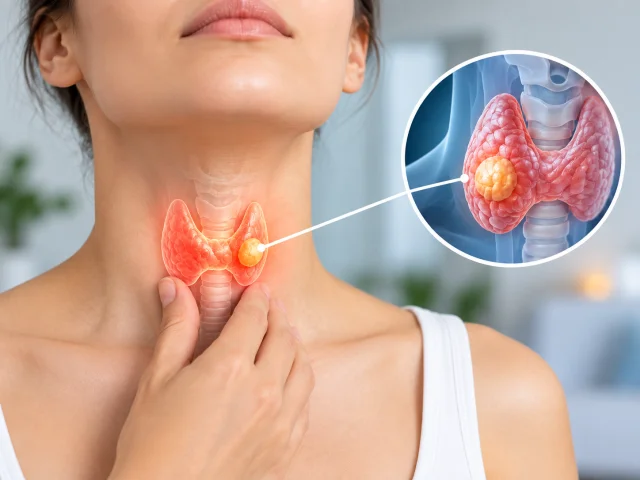
A thyroid nodule is a growth that develops within the thyroid gland and has characteristics different from the surrounding thyroid tissue. Thyroid nodules are very common, and most of them are benign. However, some nodules may require further evaluation.
Thyroid nodules may not cause any symptoms and can be discovered incidentally during a routine examination or ultrasound. In some cases, they may cause swelling in the neck, difficulty swallowing, voice changes or symptoms related to excessive thyroid hormone production.
What Is a Thyroid Nodule?
The thyroid is a butterfly-shaped gland located at the front of the neck that produces hormones regulating the body's metabolism. Areas within the thyroid gland that differ from normal thyroid tissue are called thyroid nodules.
A person may have a single thyroid nodule or multiple nodules in different parts of the thyroid gland. Nodules may be solid, fluid-filled or have both solid and cystic components.
What Causes Thyroid Nodules?
There may not be a single cause of thyroid nodules. Age, genetic factors, iodine intake and certain thyroid diseases may contribute to their development.
Factors that may be associated with thyroid nodule formation include:
- Iodine deficiency or excessive iodine intake
- A family history of thyroid disease
- Structural changes in the thyroid gland
- Certain thyroid diseases such as Hashimoto's thyroiditis
- Advanced age
- Previous radiation exposure to the neck area
What Are the Symptoms of a Thyroid Nodule?
Many thyroid nodules do not cause any symptoms. Particularly small nodules may not be noticed by the patient and may only be discovered incidentally during imaging performed for another reason.
When symptoms occur, they may include:
- Swelling or a lump at the front of the neck
- A feeling of pressure or fullness in the throat
- Difficulty swallowing
- Difficulty breathing
- Hoarseness or changes in the voice
- Pain or tenderness in the neck
Some nodules may produce excessive amounts of thyroid hormone. In such cases, symptoms of hyperthyroidism such as palpitations, sweating, hand tremors, weight loss, restlessness and sensitivity to heat may occur.
Are Thyroid Nodules Dangerous?
Most thyroid nodules are benign. However, it is not possible to determine with certainty whether a nodule is benign or malignant through physical examination alone.
Therefore, when a thyroid nodule is detected, its size, structure and ultrasound characteristics are evaluated by a doctor. Fine-needle aspiration biopsy may be recommended when necessary.
How Is a Thyroid Nodule Diagnosed?
The evaluation of a thyroid nodule begins with a physical examination and the patient's medical history. Various diagnostic methods may be used during the evaluation process.
Thyroid Ultrasound
Thyroid ultrasound is one of the most commonly used imaging methods for evaluating thyroid nodules. It can provide detailed information about the size, shape, composition and relationship of the nodule with surrounding tissues.
Blood Tests
Thyroid function tests, particularly TSH, help determine whether the thyroid gland is functioning normally. Additional hormone and antibody tests may also be requested when necessary.
Fine-Needle Aspiration Biopsy
Fine-needle aspiration biopsy may be performed for nodules with certain ultrasound characteristics or nodules that require further evaluation based on their size. During the procedure, a small sample of cells is taken from the nodule using a fine needle and sent for pathological examination.
When Is a Biopsy Needed for a Thyroid Nodule?
Not every thyroid nodule requires a biopsy. The decision to perform a biopsy depends on the size and ultrasound characteristics of the nodule, the patient's age, risk factors and clinical evaluation.
Biopsy may be recommended particularly for nodules with suspicious ultrasound features. Therefore, when a thyroid nodule is detected, it is important to evaluate it appropriately before making any decision about surgery.
How Are Thyroid Nodules Treated?
Treatment depends on the characteristics of the nodule and the patient's overall health. Not every thyroid nodule requires surgery.
Possible approaches include:
- Regular monitoring
- Evaluation of thyroid hormone levels and treatment when necessary
- Fine-needle aspiration biopsy
- Surgical treatment when appropriate
Small, benign nodules can often be monitored at regular intervals with ultrasound examinations and medical follow-up.
When Is Thyroid Nodule Surgery Necessary?
Not every patient with a thyroid nodule needs surgery. However, surgical treatment may be considered when a biopsy indicates malignancy or a high suspicion of malignancy, when the nodule causes pressure on surrounding tissues, or in certain other clinical situations.
Surgery may also be considered when large nodules cause mechanical symptoms such as difficulty swallowing or breathing.
Is the Entire Thyroid Removed During Surgery?
The extent of thyroid surgery depends on the patient's condition. In some patients, removing only part of the thyroid gland may be sufficient, while in other cases the entire thyroid gland may need to be removed.
The extent of surgery is determined by considering the characteristics of the nodule, biopsy results, the extent of thyroid disease and other clinical factors.
Is Hormone Medication Needed After Thyroid Surgery?
Patients whose entire thyroid gland has been removed need to take thyroid hormone replacement medication to provide the hormones their body needs. Patients who have only part of the thyroid removed may or may not require hormone replacement, depending on their individual condition.
Thyroid hormone levels are monitored through blood tests after surgery, and the appropriate treatment dose is adjusted by the doctor when necessary.
Can a Thyroid Nodule Turn Into Cancer?
Most thyroid nodules are not cancerous. However, some nodules may be malignant. Therefore, it is not possible to determine whether a nodule is benign or malignant based only on its size.
Ultrasound findings, biopsy results when necessary and the patient's clinical characteristics are evaluated together to determine the level of risk.
What Should People With Thyroid Nodules Pay Attention To?
People with thyroid nodules should follow the monitoring schedule recommended by their doctor. In particular, recommended ultrasound examinations and blood tests should be performed on time.
If symptoms such as rapidly increasing swelling in the neck, newly developed hoarseness, difficulty swallowing or difficulty breathing occur, a doctor should be consulted.
Thyroid Nodule Treatment in Adana
People who notice a lump in the neck, have a thyroid nodule or suspect a thyroid condition should be evaluated by a general surgery specialist.
At Özel Algomed Hospital, thyroid nodules and thyroid diseases can be evaluated by specialist physicians, and appropriate monitoring and treatment options can be determined based on the necessary examinations.
Conclusion
Thyroid nodules are common and are usually benign. However, each nodule may have different characteristics. The size of the nodule, ultrasound findings, thyroid hormone levels and, when necessary, biopsy results are evaluated together to determine the appropriate approach.
If you notice a new or growing lump in your neck, it is important to consult a doctor. Early and accurate evaluation can help ensure appropriate treatment when necessary.