What Is Hemorrhoids (Piles)? Symptoms, Causes and Treatment Methods
Hemorrhoids, commonly known as piles, are a common health problem caused by the enlargement or swelling of blood vessels and supporting tissues around the anus and lower rectum. Although hemorrhoids can occur at any age, they are more common in people who sit for long periods, experience constipation or frequently strain during bowel movements.
Hemorrhoids do not always indicate a serious health problem. However, they can cause symptoms such as anal bleeding, pain, itching, swelling or a lump around the anus. Since similar symptoms can occur with other conditions, medical evaluation is important, especially in cases of recurrent rectal bleeding.
What Are Hemorrhoids?
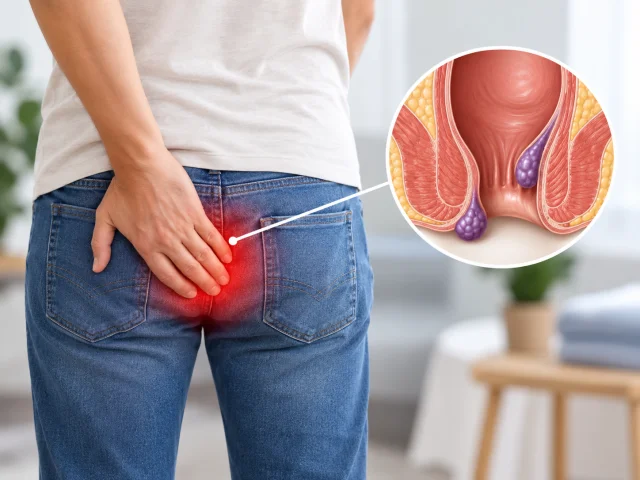
Hemorrhoids are normal structures made up of blood vessels and supporting tissue located around the anus and rectum. Hemorrhoidal disease develops when these tissues become enlarged, swollen or displaced downward.
Hemorrhoids are generally divided into two main types:
- Internal hemorrhoids: These develop inside the rectum. Bleeding during bowel movements and, in more advanced cases, protrusion through the anus may occur.
- External hemorrhoids: These develop around the outside of the anus. Swelling, pain and tenderness may be more noticeable.
What Causes Hemorrhoids?
Increased pressure on the blood vessels around the anus plays an important role in the development of hemorrhoids. Lifestyle, dietary habits and bowel patterns may also contribute to the condition.
Factors that may contribute to hemorrhoids include:
- Chronic constipation
- Excessive straining during bowel movements
- Sitting on the toilet for long periods
- Prolonged inactivity
- Pregnancy
- Being overweight
- A low-fiber diet
- Insufficient fluid intake
- Heavy lifting
- Prolonged episodes of diarrhea
- Increasing age
What Are the Symptoms of Hemorrhoids?
Symptoms may vary depending on the type and severity of the hemorrhoids. Some people may experience only mild discomfort, while others may have pain and bleeding that significantly affect their daily lives.
The most common symptoms of hemorrhoids include:
- Bright red bleeding during or after bowel movements
- Itching around the anus
- Pain or tenderness in the anal area
- Swelling
- A lump around the anus
- A feeling of incomplete bowel emptying
- Protrusion of internal hemorrhoids through the anus
What Does Hemorrhoidal Bleeding Look Like?
Bleeding caused by hemorrhoids is usually bright red and may be noticed during or after a bowel movement. Blood may appear on toilet paper, on the surface of the stool or in the toilet bowl.
However, hemorrhoids are not the only possible cause of rectal bleeding. Anal fissures, intestinal polyps, inflammatory bowel diseases and other intestinal conditions can also cause bleeding.
For this reason, especially when rectal bleeding occurs for the first time, repeatedly or in increasing amounts, medical evaluation is recommended.
What Is the Difference Between Internal and External Hemorrhoids?
Internal hemorrhoids are located inside the anal canal. In the early stages, bleeding is generally more prominent than pain. As the condition progresses, hemorrhoidal tissue may protrude outside the anus.
External hemorrhoids develop around the outside of the anus. If a blood clot forms inside an external hemorrhoid, sudden and sometimes severe pain, swelling and tenderness may occur.
What Are the Grades of Hemorrhoids?
Internal hemorrhoids are generally classified into four grades:
- Grade 1: The hemorrhoidal tissue remains inside the anal canal and does not protrude.
- Grade 2: The hemorrhoidal tissue may protrude during bowel movements but returns inside on its own.
- Grade 3: The hemorrhoidal tissue protrudes during bowel movements and may need to be pushed back manually.
- Grade 4: The hemorrhoidal tissue remains outside the anus and generally cannot be pushed back inside.
The appropriate treatment depends on the grade of the hemorrhoids, severity of symptoms and the patient's overall health.
How Are Hemorrhoids Diagnosed?
The diagnosis of hemorrhoids is primarily based on the patient's symptoms and a physical examination. When necessary, the doctor may use additional examination methods to evaluate the anal region and the inside of the rectum.
In patients with rectal bleeding, it is particularly important to determine whether the bleeding is actually caused by hemorrhoids.
How Are Hemorrhoids Treated?
Treatment depends on the severity of the hemorrhoids and the patient's symptoms. In mild cases, lifestyle and dietary changes may be sufficient, while more advanced cases may require medication or minimally invasive procedures.
Possible treatment options include:
- Dietary and lifestyle modifications
- Increasing fiber intake
- Drinking sufficient fluids
- Treating constipation
- Medications and creams recommended by a doctor
- Rubber band ligation
- Sclerotherapy
- Other minimally invasive procedures
- Hemorrhoid surgery
The most appropriate treatment method should be determined by a doctor following an examination.
When Is Hemorrhoid Surgery Necessary?
Not every patient with hemorrhoids requires surgery. However, surgical treatment may be considered for advanced, recurrent hemorrhoids or cases that continue despite other treatment methods.
Surgical options may particularly be considered for advanced internal hemorrhoids, significant prolapse of hemorrhoidal tissue or symptoms that seriously affect the patient's quality of life.
Recovery After Hemorrhoid Surgery
The recovery period varies depending on the treatment method used. After surgery, it is important to use medications as recommended by the doctor, avoid constipation, drink sufficient fluids and maintain proper hygiene.
The time required to return to normal daily activities may vary depending on the procedure performed and the patient's general health.
What Helps With Hemorrhoids?
Maintaining regular bowel movements is important for reducing hemorrhoidal symptoms. Constipation and excessive straining during bowel movements can worsen symptoms.
In general, the following measures may be helpful:
- Eating a fiber-rich diet
- Drinking enough water
- Not delaying the urge to have a bowel movement
- Avoiding prolonged sitting on the toilet
- Avoiding excessive straining
- Engaging in regular physical activity
- Avoiding prolonged inactivity
These measures may help reduce symptoms, but they do not replace medical evaluation for persistent or recurrent hemorrhoidal problems.
Can Hemorrhoids Go Away on Their Own?
Mild hemorrhoidal symptoms may improve in some people after constipation is addressed and lifestyle habits are changed. However, whether hemorrhoids completely resolve depends on their severity and underlying cause.
If bleeding, pain or swelling around the anus keeps returning, medical evaluation is necessary to identify the underlying cause.
What Is the Difference Between Hemorrhoids and an Anal Fissure?
Hemorrhoids and anal fissures can cause similar symptoms, but they are different conditions. An anal fissure is a small tear or crack in the skin around the anus and can cause significant pain, particularly during bowel movements.
Hemorrhoids are more commonly associated with bleeding, itching, swelling and a lump around the anal area.
Because the symptoms may overlap, a medical examination is important for an accurate diagnosis.
When Should You See a Doctor for Hemorrhoids?
You should consult a doctor if you experience recurrent rectal bleeding, severe pain, rapidly developing swelling, hemorrhoidal tissue that protrudes and does not return inside, or symptoms that continue despite treatment.
In particular, rectal bleeding that has never occurred before should not automatically be attributed to hemorrhoids. The cause of the bleeding should be evaluated by a doctor.
Hemorrhoid Treatment in Adana
If you experience symptoms such as bleeding, pain, itching or swelling around the anus due to hemorrhoids, evaluation by a general surgery specialist may be appropriate.
At Özel Algomed Hospital, hemorrhoids and diseases of the anal region can be evaluated by specialist physicians, and appropriate treatment options can be determined according to the patient's condition.
Conclusion
Hemorrhoids are a very common health problem that can occur in people of different age groups. Factors such as constipation, straining, prolonged sitting and lifestyle habits may contribute to their development.
If symptoms such as rectal bleeding, pain, itching or swelling recur, it is important to consult a doctor. After an accurate diagnosis, the most appropriate treatment can be selected according to the severity of the hemorrhoids and the patient's individual condition.